Yes Duke Font
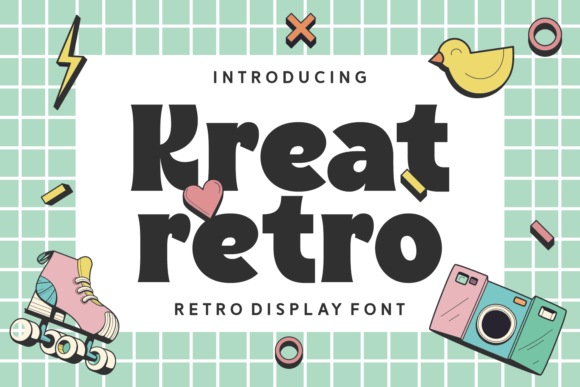
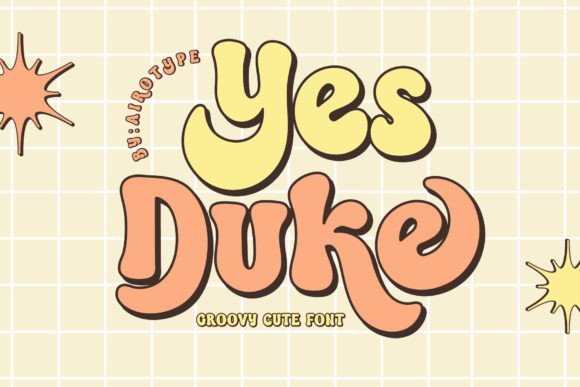
There’s something undeniably charming about the Yes Duke font, a bouncy retro serif that brings a wave of nostalgia and whimsy to any design project. With its playful curves and vintage appeal, this font is more than just a typographic choice—it's a visual storytelling tool that can elevate your creative work from ordinary to extraordinary. Whether you're designing for kids, crafting social media content, or working on branding materials, Yes Duke adds a unique personality that resonates with audiences across generations.
A Retro Touch with Modern Relevance
The Yes Duke font is a celebration of retro aesthetics, yet it remains highly functional in modern graphic design. Its soft, rounded edges and subtle serifs give it a handcrafted feel, making it ideal for projects that aim to evoke warmth, playfulness, or a sense of community. In an era where minimalism often dominates design trends, Yes Duke stands out as a bold alternative that injects emotion into typography.
This font works particularly well when paired with vibrant color palettes, especially those inspired by retro themes like pastels, neon accents, or vintage illustrations. It also complements layouts that prioritize visual hierarchy and readability, ensuring that even the most whimsical designs maintain a professional presentation.
Practical Applications Across Creative Fields
Yes Duke is incredibly versatile, finding its place in a wide range of creative applications:
- Branding and logo design: Its retro charm makes it perfect for brands targeting younger audiences or those aiming to create a nostalgic brand identity.
- Social media graphics: From birthday invitations to summer promotions, the font adds a fun, eye-catching element that increases user engagement.
- Merchandise and t-shirt designs: The playful nature of the font translates beautifully onto fabric, making it a favorite among creators of kid-friendly or retro-themed apparel.
- Packaging design: When used thoughtfully, Yes Duke can make product packaging stand out on store shelves, especially for items targeting children or niche markets.
- Editorial and web design: It works well in headlines or subheadings where a touch of character is needed without compromising readability.
When incorporating Yes Duke into your design workflow, consider how it interacts with other elements such as spacing, line height, and color contrast. These factors are crucial in ensuring the font remains legible and visually balanced, especially in digital environments like websites or mobile apps.
Tips for Effective Typography Use
While Yes Duke is a delightful font, it's important to use it strategically. Here are some tips to help you maximize its impact:
- Limit usage: Reserve Yes Duke for headings, titles, or short phrases rather than large blocks of text to maintain clarity.
- Pair wisely: Combine it with sans-serif fonts for body text to ensure a clean, professional look.
- Consider scalability: Test how the font appears at different sizes, especially if you're using it for print or digital signage.
- Match tone and audience: Ensure the font aligns with your brand’s voice and the expectations of your target demographic.
Typography plays a key role in visual communication, and choosing the right font like Yes Duke can significantly enhance the overall message and aesthetic of your design. By understanding its strengths and limitations, you can harness its potential to create engaging, memorable visuals that resonate with your audience.
In today’s competitive design landscape, thoughtful typography choices can set your work apart. Fonts like Yes Duke offer more than just style—they provide an opportunity to connect with viewers on an emotional level while maintaining a strong, cohesive brand identity. Whether you're working on a small creative project or a large-scale marketing campaign, selecting the right typeface is a powerful step toward achieving both visual appeal and effective communication.