The Influence of a Good Teacher: How It Shapes Lives and Learning
There’s something magical about a good teacher. They don’t just pass on knowledge—they inspire, challenge, and nurture. The influence of a good teacher can ripple through a student's life long after the final bell has rung. Whether in a classroom or through mentorship, their impact is profound and often immeasurable.
Why the Influence of a Good Teacher Matters
A good teacher does more than teach; they create an environment where learning feels natural and exciting. They recognize individual strengths and weaknesses, adapting their methods to meet diverse needs. This personalized approach not only enhances understanding but also builds confidence and curiosity in students.
For educators, understanding the influence of a good teacher means recognizing the power of their role. For parents and students, it means appreciating the value of quality education and the people who make it possible.
Common Misconceptions About Teaching Influence
One common mistake is assuming that a good teacher is simply someone who knows their subject well. While expertise is important, it's not the only factor. A teacher must also be patient, empathetic, and adaptable. Failing to recognize these qualities can lead to missed opportunities for meaningful learning experiences.
Another misconception is that the influence of a good teacher is limited to academic success. In reality, teachers shape character, encourage critical thinking, and foster lifelong learning habits. Overlooking this broader impact can result in undervaluing the true role of education.
How to Recognize a Good Teacher
Identifying a good teacher involves looking beyond grades and test scores. Look for someone who encourages questions, celebrates progress, and creates a safe space for exploration. These teachers are often the ones who stay after class to help, who remember students' names, and who genuinely care about their growth.
It’s also important to consider how a teacher interacts with students. Are they approachable? Do they listen? A good teacher doesn’t just deliver information—they engage with students, making them feel seen and heard.
Mistakes to Avoid When Evaluating Teachers
One mistake many people make is relying solely on student reviews or word-of-mouth recommendations without considering the full context. While feedback is valuable, it should be viewed critically. A teacher might have a challenging class, but that doesn’t necessarily mean they aren’t effective.
Another pitfall is underestimating the importance of teaching style. What works for one student may not work for another. Trying to force a teacher into a mold that doesn’t fit can lead to frustration and poor outcomes. Instead, focus on finding a teacher whose approach aligns with your learning goals.
Supporting the Influence of a Good Teacher
Supporting a good teacher means giving them the resources and respect they deserve. This includes providing constructive feedback, acknowledging their efforts, and advocating for better educational policies. When we support teachers, we strengthen the entire learning community.
Parents and students can also play a role by staying engaged. Attending school events, communicating regularly with teachers, and encouraging a love of learning at home all contribute to a positive educational experience.
Real-World Examples of Good Teaching
Consider a high school teacher who takes the time to mentor students interested in STEM fields. By offering extra resources, connecting them with professionals, and encouraging hands-on projects, this teacher helps shape future scientists and engineers. Their influence extends far beyond the classroom.
Or think of a college professor who uses innovative teaching methods to keep students engaged. By incorporating real-world examples and interactive discussions, they transform complex topics into accessible lessons. This kind of teaching makes a lasting impression on students.
Embracing Creativity in Education
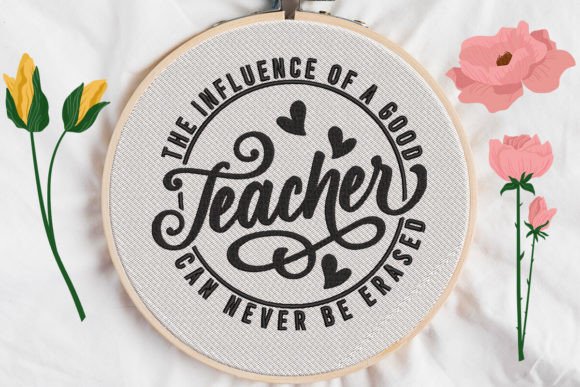
Just as a good teacher inspires learning, creative elements like embroidery designs can add charm and personality to everyday items. Imagine adding a whimsical embroidery design to a t-shirt or towel—something that brings a touch of fun and uniqueness to your surroundings.
These designs are perfect for those who appreciate both artistry and practicality. With multiple file formats and compatibility across various machines, they offer endless possibilities for personalization. Whether you're a hobbyist or a professional, you can bring your vision to life with ease.
Choosing the Right Embroidery Design
Selecting the right embroidery design involves considering factors like size, color, and purpose. A small, intricate design might work well on a handkerchief, while a larger, bolder pattern could make a statement on a piece of home decor.
Before purchasing, check the available file formats and ensure they’re compatible with your machine. Also, consider the fabric type and thread color to achieve the best results. Taking these steps ensures your project turns out beautifully and meets your expectations.
By combining the influence of a good teacher with creative expression, we can enrich our lives in countless ways. Whether through education or decoration, the right choices make all the difference.