Teaching is a Work of Acrylic Design: A Creative Approach to Back to School
As the new school year approaches, educators and students alike are preparing for a fresh start. While traditional tools like textbooks and chalkboards remain essential, modern teaching methods increasingly rely on creative and visual elements to enhance learning. One such tool that has gained popularity in recent years is acrylic design. From classroom decor to educational materials, acrylic designs offer a versatile and engaging way to bring creativity into the learning environment. This article explores how acrylic design can be used as a powerful teaching tool and its relevance during the back-to-school season.
The Role of Acrylic Design in Education
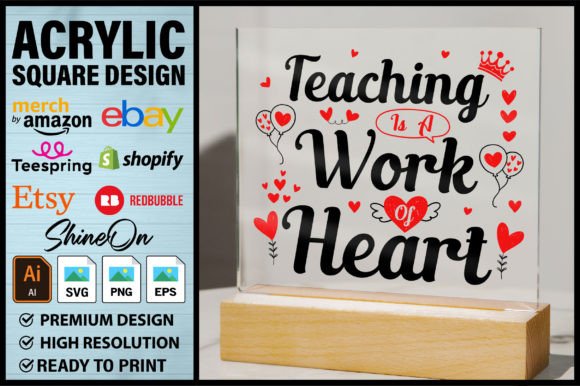
Acrylic design refers to the use of transparent or colored acrylic materials to create decorative and functional items. These items can range from simple shapes to intricate patterns and are often used in various fields, including education. When it comes to teaching, acrylic designs can serve multiple purposes:
- Visual Aids: Acrylic signs, charts, and labels can help make complex information more digestible for students.
- Classroom Decor: Bright and colorful acrylic pieces can transform a dull classroom into an inspiring learning space.
- Interactive Learning Tools: Custom-designed acrylic puzzles, flashcards, and models can be used to reinforce lessons through hands-on activities.
These applications highlight how acrylic design can be integrated into the teaching process to support both visual and kinesthetic learners.
Why Acrylic Design Works Well in Teaching
Acrylic is a durable and lightweight material that can be easily shaped and colored. This makes it ideal for creating a wide range of educational resources. Additionally, the transparency of acrylic allows for layering and combining different designs, which can be useful for illustrating concepts in subjects like science and mathematics.
Another advantage of using acrylic in teaching is its ability to be customized. Educators can create unique and personalized items that reflect their teaching style and the needs of their students. For example, a teacher might design custom acrylic emblems for student groups or create interactive maps using layered acrylic sheets.
Back to School with Acrylic Design
As schools prepare for the new academic year, incorporating acrylic design into the classroom can be an effective way to boost student engagement and motivation. Here are some ideas for using acrylic design during the back-to-school season:
- Classroom Nameplates: Create personalized acrylic nameplates for each student to foster a sense of identity and belonging.
- Subject-Specific Displays: Use acrylic panels to display key vocabulary words, formulas, or historical facts related to different subjects.
- Decorative Learning Stations: Set up learning stations with acrylic-themed decorations that encourage exploration and discovery.
These ideas not only make the classroom more visually appealing but also provide practical learning opportunities for students.
Acrylic Design Beyond the Classroom
While acrylic design is particularly useful in education, its applications extend far beyond the classroom. Teachers and educators can also benefit from using acrylic design for personal branding, promotional materials, and even digital content creation. For instance, acrylic-based logos, emblems, and icons can be used in presentations, websites, and social media platforms to enhance visual appeal.
Moreover, acrylic design files such as PNG, SVG, EPS, and AI formats are highly versatile. They can be edited and adapted for various uses, including:
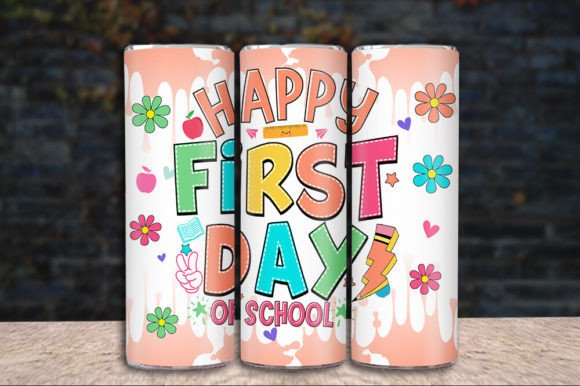
- Mugs and Drinkware: Custom acrylic designs can be printed on mugs to create branded merchandise for teachers and students.
- Card Making and Scrapbooking: Acrylic stickers and embellishments add a unique touch to handmade cards and scrapbook pages.
- Vinyl Decals: High-quality acrylic designs can be converted into vinyl decals for use on vehicles, laptops, and other surfaces.
These diverse applications demonstrate the flexibility and adaptability of acrylic design in both educational and commercial contexts.
Creating Your Own Acrylic Designs
If you're interested in creating your own acrylic designs, there are several tools and resources available to help you get started. Many online platforms offer templates and design software that allow you to customize your creations with ease. Whether you're designing for the classroom or for personal use, having access to editable source files in formats like AI or EPS can make the process much simpler.
Here are some tips for creating effective acrylic designs:
- Choose the Right Color Palette: Use colors that are visually appealing and relevant to the subject matter.
- Keep It Simple: Avoid overly complicated designs that may be difficult to produce or understand.
- Test Your Design: Print out a sample or create a prototype to ensure that your design works well in the intended format.
By following these guidelines, you can create acrylic designs that are both functional and aesthetically pleasing.
Common Misconceptions About Acrylic Design
Despite its growing popularity, there are still some misconceptions about acrylic design. One common myth is that acrylic designs are only suitable for decorative purposes. In reality, they can be used for a wide range of practical applications, including educational tools, marketing materials, and personal projects.
Another misconception is that acrylic design requires advanced technical skills. While some knowledge of design software can be helpful, many online tools and templates make it easy for beginners to create high-quality designs without prior experience.
Finally, some people believe that acrylic designs are expensive to produce. However, with the availability of affordable materials and digital design tools, it's now easier than ever to create professional-looking acrylic designs on a budget.
Conclusion
Acrylic design is more than just a creative hobby—it's a valuable tool that can enhance teaching and learning in numerous ways. Whether you're an educator looking to improve your classroom environment or a designer exploring new creative possibilities, acrylic design offers endless opportunities for innovation and expression.
As we gear up for the back-to-school season, consider incorporating acrylic design into your teaching strategies. With its versatility, durability, and aesthetic appeal, acrylic design is sure to make a lasting impression on both students and educators alike.
If you're ready to start creating your own acrylic designs, remember that the right tools and resources can help you bring your ideas to life. Don't hesitate to reach out if you have any questions or need further assistance. Happy designing!