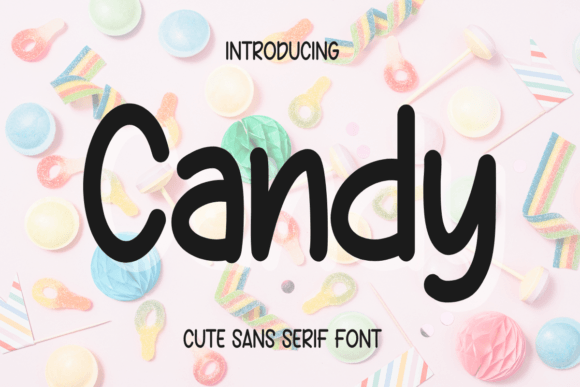
Candy Font: A Playful Tool for Designers and Creators
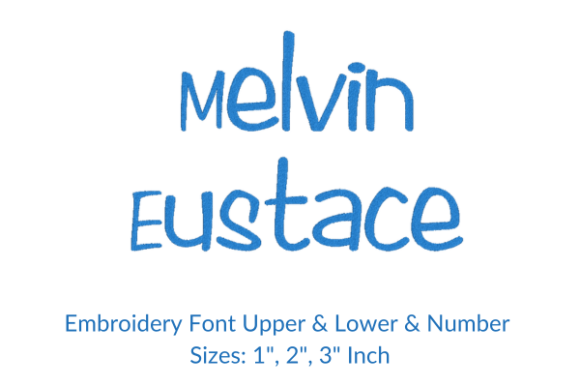
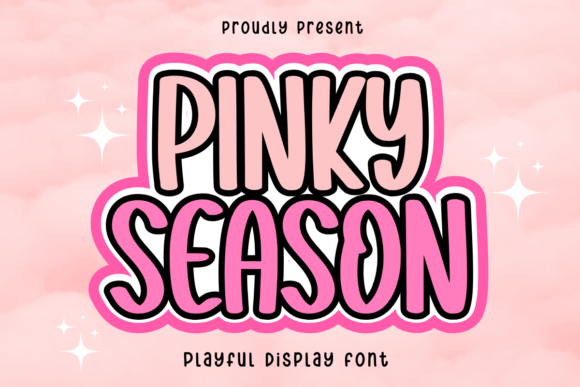
The Candy font is a versatile sans-serif typeface that brings a unique blend of whimsy and clarity to any design project. With its playful curves and rounded edges, Candy adds a sense of warmth and approachability, making it ideal for a wide range of creative applications. Whether you're designing children's books, crafting invitations, or developing brand identities, Candy offers a charming aesthetic that can enhance your visual storytelling.
Understanding the Role of Candy in Design Workflows
Incorporating Candy into your design workflow can significantly impact the overall tone and effectiveness of your projects. As a designer or creator, understanding when and how to use Candy is essential for achieving the desired outcome. This font is particularly well-suited for projects that require a friendly and inviting feel, such as educational materials, marketing collateral, or social media content.
Before starting a new project, consider the emotional tone you want to convey. If your goal is to create something that feels warm and welcoming, Candy can be an excellent choice. It pairs well with other fonts that have a more structured or professional appearance, allowing for a balanced visual hierarchy in your designs.
Planning Your Use of Candy
When planning your design process, take time to evaluate the context in which Candy will be used. Think about the audience you're targeting and how the font will influence their perception of your message. For instance, if you're designing an invitation for a child's birthday party, Candy's playful nature aligns perfectly with the theme.
Additionally, consider the compatibility of Candy with other design elements. Ensure that the color palette, imagery, and layout complement the font's characteristics. A cohesive design ensures that all components work together to deliver a unified message.
Implementing Candy in Various Projects
Once you've decided to use Candy, the next step is integrating it seamlessly into your design. The implementation phase involves selecting appropriate tools, ensuring proper formatting, and maintaining consistency throughout your project.
For digital projects, using vector-based graphic software like Adobe Illustrator or Inkscape allows for greater flexibility when working with Candy. These platforms provide precise control over typography, enabling you to adjust spacing, size, and alignment to suit your needs. When working with web design, embedding Candy via Google Fonts or similar services ensures that your website maintains a consistent look across different devices and browsers.
Workflow Integration Tips
- Use Layers: Organize your design by using layers to separate text from other elements. This makes it easier to edit and refine your work without affecting other parts of the design.
- Test Across Devices: Always preview your design on multiple devices to ensure that Candy displays correctly and remains readable at various sizes.
- Consistency Check: Maintain a style guide that outlines how Candy should be used in different contexts. This helps ensure that your brand identity remains consistent across all platforms.
Enhancing Creativity with Candy
Candy can also serve as a catalyst for creativity, especially in projects that require a more imaginative approach. Its unique character can inspire new ideas and encourage experimentation with layout and composition.
When working on a children's book, for example, Candy can be used to highlight key phrases or create visual interest within the text. Pairing it with illustrations that reflect its playful nature can result in a more engaging reading experience for young audiences.
For branding purposes, Candy can help establish a distinctive voice that resonates with your target audience. Whether you're launching a new product or rebranding an existing business, the right font choice can make a lasting impression.
Collaboration and Feedback
When working with a team or seeking feedback on your design, it's important to communicate clearly about your use of Candy. Discuss how the font contributes to the overall message and ensure that everyone involved understands its role in the project.
Encourage open dialogue about the effectiveness of Candy in conveying the intended tone. This collaborative approach can lead to valuable insights and improvements that enhance the final outcome.
Long-Term Considerations for Using Candy
While Candy is a versatile font, it's essential to consider its long-term use in your design projects. Assess whether it remains relevant to your brand or project over time and whether it continues to meet your aesthetic and functional needs.
Regularly reviewing your design choices ensures that your work stays fresh and aligned with current trends. If needed, you can explore complementary fonts or variations of Candy that better suit evolving requirements.
Maintaining a library of preferred fonts, including Candy, can streamline your workflow and save time when selecting typography for future projects. This proactive approach helps you stay organized and efficient in your creative process.
Quality Control and Consistency
To maintain high-quality standards in your work, establish clear guidelines for using Candy. This includes specifying font sizes, weights, and spacing to ensure consistency across all materials.
Regularly auditing your designs for typographic accuracy can prevent inconsistencies and ensure that your message is delivered effectively. By prioritizing quality control, you reinforce the professionalism and reliability of your work.
Conclusion
Candy is more than just a font; it's a powerful tool that can elevate your design projects with its unique charm and versatility. By understanding its role in your workflow, implementing it thoughtfully, and considering its long-term impact, you can harness its potential to create compelling and effective designs.